2nd Grade Let's Do This: Embroidery Design Review
As a professional embroidery designer specializing in commercial merchandise and branded apparel, I approach every new machine embroidery design with a critical eye toward production viability and brand alignment. When evaluating the "2nd Grade Let's Do This" design for small business applications, my focus shifts beyond simple aesthetics to practical performance on various substrates. While the product description highlights its suitability for back-to-school gifts and home decor, experienced embroiderers know that a design’s true value lies in its versatility across different commercial projects. This review examines how this specific embroidery file performs when adapted for patches, uniforms, and boutique merchandise, ensuring your investment yields professional results.
Visual Personality and First Impressions
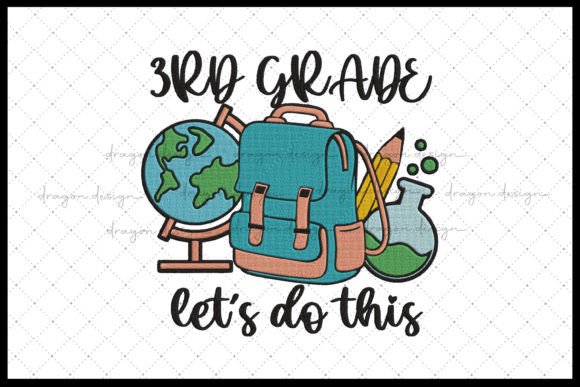
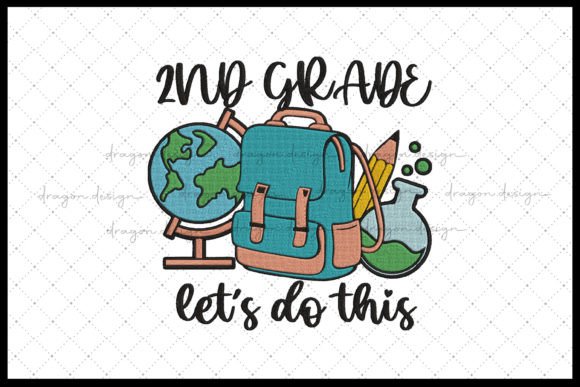
The immediate impression of "2nd Grade Let's Do This" is one of energetic optimism and approachable professionalism. The typography suggests a bold, confident attitude that translates exceptionally well to businesses wanting to project a friendly yet capable image. For a creative studio, bakery, or handmade shop, this design strikes a balance between playful and polished. It avoids being overly juvenile, making it suitable for adult staff wear or customer-facing merchandise. The phrase itself acts as a motivational anchor, which can enhance brand identity by associating your business with positivity and readiness. From a digitizing perspective, designs with this type of messaging typically rely on clean satin stitches or filled lettering, which generally offers excellent coverage and visual impact on both light and dark fabrics. However, the perceived "handmade" quality must be balanced with precise registration to maintain a premium look in a commercial setting.
Commercial Applications for Small Business Merch
For small business owners and Etsy sellers, versatility is key. "2nd Grade Let's Do This" shows strong potential across multiple small business merch categories. As an embroidered patch, this design could serve as a morale booster for staff or a collectible add-on for customers. Patches require dense stitching and clear borders; if this design features distinct outlining, it will digitize beautifully for merrowed edge finishing. For apron embroidery in cafes or florist shops, the motivational text serves as a great left-chest accent or pocket detail that sparks conversation without overwhelming the garment's functionality.
In the realm of cap embroidery, the horizontal layout implied by the phrase is ideal for the limited vertical space of a hat front. Unlike complex illustrations, text-based designs like this often register better on curved surfaces, reducing the risk of distortion. For tote bag design, this artwork can act as a primary graphic or a secondary branding element alongside a logo. Totes offer a large, flat canvas where the stitch texture becomes part of the tactile experience. Additionally, this design works effectively for event merch or workshop branding, where the "Let's Do This" sentiment aligns perfectly with learning environments or collaborative creative sessions. When used on custom apparel like work shirts or hoodies, it reinforces team unity and creates a cohesive visual language for your employees.
Production Considerations and Technical Limitations
Despite its versatility, there are specific scenarios where "2nd Grade Let's Do This" requires careful handling. Professional embroiderers must assess stitch density relative to the intended application. If the design includes intricate details or small text elements within the main phrase, scaling it down for sleeve cuffs or tiny labels may result in thread breaks or illegibility. Always verify the minimum size recommendations before attempting micro-embroidery. On textured fabrics like terry cloth towels or heavy canvas aprons, fine details can get lost. In these cases, using a water-soluble topping is non-negotiable to ensure the stitches sit atop the fabric pile rather than sinking in.
Color contrast is another critical factor. While the design may look vibrant on screen, real-world application on dark uniforms requires testing thread colors against the actual garment material. A white or metallic thread might be necessary to make the design pop on navy or black workwear, whereas pastel threads might wash out on similar backgrounds. Furthermore, items subjected to frequent industrial washing, such as chef coats or salon capes, demand high-quality polyester threads and proper backing to prevent puckering or fraying over time. If you plan to use this for commercial embroidery on stretchy knits, ensure your stabilizer choice supports the fabric's movement to prevent distortion during the hooping process.
Impact on Brand Value and Customer Perception
Embroidery is inherently perceived as higher value than screen printing, and "2nd Grade Let's Do This" leverages this perception to elevate your handmade product line. High-quality execution of this design signals attention to detail and respect for the customer. When a client receives a tote bag or wears a cap featuring crisp, well-registered embroidery, it builds trust in your brand's overall quality. Consistency is equally important; using this design as a recurring motif across packaging, tags, and apparel creates visual recognition that strengthens market presence. For digital creators selling design assets, providing accurate color charts and placement guides helps end-users achieve this professional standard, thereby enhancing the reputation of the file itself.
Essential Designer Notes for Production Success
Before running "2nd Grade Let's Do This" on a live production order, adhere to these professional best practices to minimize waste and maximize quality:
- Test in Monochrome First: Run a sample in black and white to evaluate stitch structure and registration without the distraction of color. This reveals density issues or gaps immediately.
- Verify Hoop Size Compatibility: Confirm the design dimensions fit comfortably within your available hoops with adequate margin for stabilization. Never max out a hoop's usable area.
- Check Licensing Terms: Before selling finished goods or the digital embroidery file itself, review the specific license included with the purchase to ensure commercial rights are granted.
- Create Printable Mockups: Use software to generate a realistic printable mockup for client approval. This manages expectations regarding size, color, and placement before needle hits fabric.
- Stabilizer Selection: Match your backing to the fabric weight. Cut-away for knits and caps; tear-away for stable wovens. Never skip topping on high-pile fabrics.
- Compare Beside Existing Assets: Place this design next to your current logo or other brand elements to ensure stylistic cohesion and appropriate scale relationships.
- Fabric Texture Testing: Always test on the exact material intended for production. A design that looks perfect on quilter's cotton may fail on performance fleece or denim.
Ultimately, "2nd Grade Let's Do This" offers significant potential for back-to-school themed businesses and general merchandise alike, provided it is treated with technical respect. By understanding its behavior across different applications—from apron embroidery to branded patches—you can transform a simple digital file into a powerful asset for your business. Remember that successful finished product outcomes depend less on the design alone and more on the skillful integration of digitizing knowledge, material science, and brand strategy. Always validate specifications and test thoroughly to ensure this design meets the rigorous standards your customers expect.