Child with Blind Walking Stick: A Designer's Review
When evaluating a machine embroidery design intended for advocacy and awareness, the technical execution matters just as much as the sentiment. As a designer who regularly creates custom apparel and personalized gifts for inclusive events, I approached the "Child with Blind Walking Stick" file with a critical eye. This isn't merely a decorative graphic; it is a visual statement about worthiness and inclusion. For Etsy sellers, school administrators, and parents creating back-to-school gear, this design needs to communicate respect and clarity without looking clinical or overly cartoonish. My assessment focuses on how this embroidery file translates from screen to fabric, specifically when used on items that will be worn, washed, and seen in public.
Visual Tone and Emotional Resonance
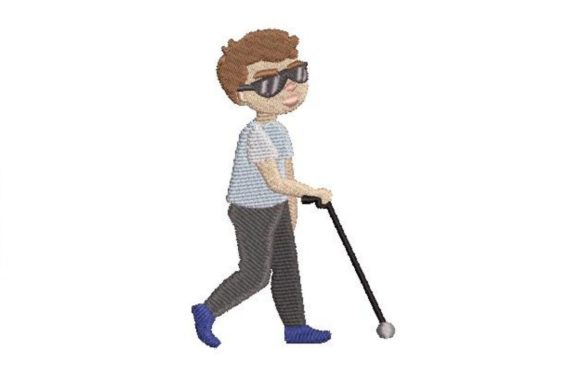
The first impression of this design is one of gentle confidence. In the category of Boys embroidery, there is often a tendency toward aggressive themes or hyper-stylized characters, but this artwork strikes a necessary balance. The posture of the child holding the walking stick suggests independence rather than dependency, which is crucial for back-to-school awareness projects. Visually, the lines appear clean enough to hold up as an embroidered patch or a chest logo on a polo shirt. The mood is approachable and educational, making it suitable for siblings, classmates, and teachers who want to show solidarity. It avoids the trap of being overly cutesy, maintaining a level of dignity that increases the perceived value of the finished product.
Real-World Application: The Back-to-School Tote Bag
To truly test the viability of this design, I mentally mapped it onto a specific project: a canvas tote bag design intended for a teacher carrying sensory tools and classroom resources. Canvas is a textured, unforgiving fabric that demands a well-digitized file. In this scenario, the "Child with Blind Walking Stick" serves as a centerpiece for awareness. Because tote bags are frequently handled and washed, the stitch density must be sufficient to cover the weave of the canvas without causing puckering. If the design relies too heavily on delicate running stitch details for the walking stick or facial features, those elements risk getting lost in the fabric texture or breaking during use. A successful application here requires verifying that the digitizer has accounted for the pull compensation needed on heavier materials. When executed correctly on a natural cotton canvas, the design elevates the bag from a simple utility item to a meaningful piece of commercial embroidery merchandise for a school fundraiser.
Technical Performance Across Different Garments
Versatility is key for any digital embroidery file in a craft business inventory. While this design shines on stable woven fabrics like denim or canvas, its performance on knits requires careful consideration. For sweatshirt embroidery or t-shirts, the stretch of the fabric can distort fine details. If the walking stick is rendered with a thin satin column, it may tunnel or sink into fleece. I recommend testing this design on a scrap of your intended knit fabric before committing to a full production run. Conversely, for baby embroidery on onesies or bibs, the design size may need to be reduced. Here, you must ensure that resizing doesn't compromise the integrity of the stick’s width or the child’s expression. Small details that look crisp at 4 inches can become indistinguishable blobs at 2 inches. Always check the minimum recommended hoop size provided by the digitizer to avoid registration errors in smaller formats.
Navigating Fabric Challenges and Stabilization
Awareness apparel is often produced on various colored backgrounds, from white tees to navy hoodies. This design likely utilizes specific thread colors to define the walking stick and clothing. On dark fabrics, contrast is everything. If the design lacks an underlay or if the top stitches aren't dense enough, the dark fabric might show through, muddying the image. When working with dark garments, consider using a white underlay base or adjusting the thread palette to ensure the walking stand remains distinct against the background. Additionally, for curved surfaces like caps, this design may present challenges. The vertical orientation of a walking stick can sometimes conflict with the curve of a hat front. Before attempting this as cap embroidery, simulate the placement in your software or do a physical test stitch-out. Flat items like pillow covers, aprons, and tea towels remain the safest and most effective canvas for preserving the original proportions of this handmade product.
Enhancing Product Value and Customer Trust
For small shop products and online listings, the presentation of inclusive designs directly impacts buyer engagement. Customers purchasing items related to disability awareness are highly sensitive to accuracy and tone. Using a high-quality version of "Child with Blind Walking Stick" signals professionalism and respect. When creating a printable mockup or photographing the actual embroidered item, ensure the lighting highlights the texture of the stitches. A flat, pixelated digital preview does not sell embroidery; customers want to see the sheen of the thread and the dimensionality of the fill stitch areas. Furthermore, clear communication about the design's purpose builds trust. In your product description, explain that this is a specialized design meant to foster inclusivity. This narrative adds intangible value to the physical item, distinguishing your Etsy seller profile from generic competitors.
Essential Pre-Stitch Checklist for Makers
Before loading this embroidery project into your machine, run through these practical checks to ensure professional results:
- Verify Licensing: Confirm whether your purchase includes commercial rights if you plan to sell the finished tote bags or shirts. Digital assets for resale often have different terms than personal-use files.
- Test Stitch on Scrap: Never skip this step. Use the exact fabric and stabilizer combination intended for the final project to check for gaps, puckering, or thread breaks.
- Check Thread Contrast: View the design in black and white within your editing software to ensure tonal separation exists independent of color. This guarantees visibility on all fabric shades.
- Inspect Small Details: Zoom in to 100% or higher to verify that the walking stick and facial features are not composed of jump stitches that will require excessive trimming.
- Validate Hoop Compatibility: Ensure the design fits comfortably within your hoop with adequate margin for the presser foot, especially if using a magnetic hoop system.
- Review Washability: If making items for children or daily use, confirm the stitch type can withstand laundering. Long satin stitches may snag; shorter fill stitches are generally more durable.
Final Thoughts for the Embroidery Entrepreneur
The "Child with Blind Walking Stick" represents a niche but vital segment of the embroidery market. It bridges the gap between seasonal back-to-school excitement and year-round advocacy. For the experienced maker, the success of this design lies not just in the digitizing, but in the thoughtful selection of materials and end-use applications. Whether you are producing a single holiday gift for a family member or stocking a boutique with inclusive design assets, treating this file with technical rigor ensures the message lands as intended. By prioritizing stitch clarity, fabric compatibility, and respectful presentation, you transform a simple embroidery file into a powerful tool for connection and awareness.