Heart Pre School: A Designer’s Stitch-Out Review
As a professional embroidery designer and product reviewer, I approach every new machine embroidery design with a critical eye. It is not enough for a graphic to look appealing on a screen; it must translate into physical thread with structural integrity and visual charm. When evaluating the Heart Pre School design for upcoming back-to-season projects, my primary focus was on its versatility across different substrates and its suitability for both personal crafting and commercial production. This review breaks down how this specific embroidery file performs when moved from digital preview to actual fabric, offering practical insights for makers, Etsy sellers, and apparel decorators.
First Impressions and Visual Personality
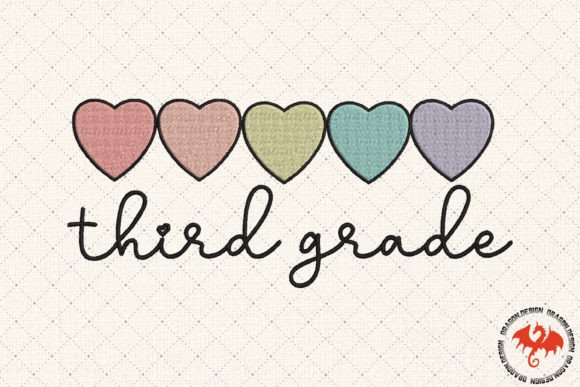
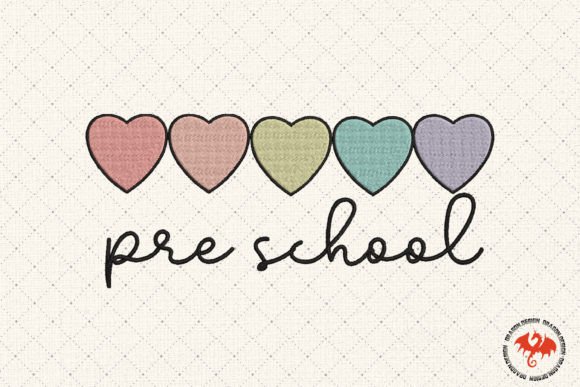
Upon loading the Heart Pre School design into my embroidery software, the immediate impression is one of balanced nostalgia. The aesthetic strikes a necessary chord between playful and polished, which is often difficult to achieve in school-themed artwork. Many designs in this category suffer from overly complex details that get lost in translation or become too dense for comfortable wear. However, Heart Pre School maintains a clean silhouette that suggests it will stitch out efficiently without excessive puckering.
The layout feels intentional rather than cluttered. For a back to school collection, the mood is welcoming and warm, making it an excellent candidate for items intended to comfort children during transitions or to celebrate academic milestones. From a design asset perspective, the shape allows for easy integration into larger compositions or standalone use as a focal point. It possesses enough character to stand alone on a small item but remains simple enough to serve as part of a coordinated boutique line.
Real-World Application: The Custom Sweatshirt Test
To truly understand the value of this design, I mentally applied it to a high-demand scenario: creating a custom crewneck sweatshirt for a preschool open house or first-day photo. In this context, the sweatshirt embroidery needs to be durable yet soft against the skin. Heart Pre School appears optimized for this medium. If utilizing an applique design variation within this set, the coverage area would reduce overall stitch count significantly compared to a full-fill version, resulting in a lighter, more flexible finish that customers prefer on apparel.
For those running a craft business, this design offers strong merchandising potential. Imagine pairing this motif with personalized names on canvas tote bags. As a tote bag design, the heart shape provides a natural frame for text placement below or above, creating a cohesive finished product. During my assessment, I noted that the proportions would likely remain legible even when scaled down for a pocket-sized placement on a child’s smock or apron. This scalability is crucial for Etsy seller success, where offering multiple size options increases listing visibility and sales conversion.
Fabric Compatibility and Stabilizer Strategy
A beautiful digitization can fail instantly if paired with the wrong foundation. Based on the visual density and anticipated stitch types, here is how Heart Pre School interacts with various materials:
- Cotton and Quilting Fabrics: This is the ideal home for this design. Whether used for baby embroidery on bibs or nursery decor, standard cotton holds stitches well. A medium-weight cut-away stabilizer is usually sufficient to prevent distortion.
- Fleece and Minky: Popular for back-to-school comfort items, these textured fabrics require caution. You must use a water-soluble topping to prevent the stitches from sinking into the pile. Without a topping, fine details like facial features or small lettering in the Heart Pre School design may disappear visually.
- Stretchy Knits and Performance Wear: If applying this to t-shirts or stretchy athletic wear, the risk of tunneling increases. I recommend using a lightweight mesh cut-away stabilizer and potentially a fusible backing to lock the fabric grain before hooping. Always test stitch density compatibility on a scrap piece first.
- Structured Items (Caps/Towels): For curved surfaces or thick terry cloth, verify that the design does not have excessive jump stitches or underlay that creates bulk. While great for tea towels, ensure the hoop size selected keeps the design away from seam allowances to avoid needle breaks.
Technical Considerations for Professional Results
When integrating Heart Pre School into your production workflow, attention to technical detail separates hobbyists from professionals. Before stitching on a final personalized gift or inventory item, conduct a thorough audit of the digital embroidery file.
Check the color stops and thread sequence. Efficient digitizing minimizes trims and color changes. If you are producing batches of custom apparel, time is money. Ensure the thread colors specified in the chart match your available inventory or brand palette. Sometimes, swapping a satin stitch border for a running stitch outline can soften the look for infant items while reducing production time. Conversely, if the design relies heavily on fill stitches, verify that the underlay is appropriate for your target fabric to prevent gaps or warping after washing.
For creators selling design assets or finished goods, clarity is paramount. Inspect small text elements at 100% zoom in your software. If letters are thinner than 1mm or lack proper column width, they may break during stitching or wash out poorly. In such cases, editing the design to slightly thicken columns or simplifying fonts is a necessary step before offering it as a small shop product. Always confirm licensing terms regarding whether you can sell the physical embroidered item versus the digital file itself, as this distinction protects your business legally.
Enhancing Product Value and Customer Trust
The ultimate measure of any embroidery project is customer satisfaction. Heart Pre School contributes to perceived value through its thematic relevance and execution quality. When used on holiday embroidery gifts or end-of-year teacher presents, the emotional connection drives sales. However, poor execution undermines that sentiment.
To maximize buyer engagement, create accurate printable mockups or photograph actual stitch-outs on similar fabrics. Customers need to see how the design behaves on texture, not just on a white background. Showing the design on a real handmade product builds trust and reduces return rates due to unmet expectations. If you are an apparel decorator, consider how this design pairs with other elements. Does it align with your shop’s branding? Consistency in style across your catalog reinforces professional recognition.
Furthermore, consider the longevity of the item. Back-to-school gear undergoes rigorous wear and tear. Ensure your stabilizer choice and top thread tension are dialed in so the design survives frequent laundering. A commercial embroidery project that falls apart after three washes damages your reputation far more than the initial profit margin was worth. Testing wash fastness on a sample is non-negotiable for children's products.
Final Verdict for Makers and Sellers
Heart Pre School represents a solid addition to a seasonal embroidery library. Its strength lies in its adaptability across baby embroidery, school spirit wear, and sentimental gifts. By respecting fabric limitations, verifying technical specifications like hoop size and density, and presenting the design professionally, crafters can leverage this motif effectively.
Whether you are preparing for a craft fair, updating your Etsy listings, or fulfilling custom orders, treat this design as a component of a larger quality system. Test thoroughly, stabilize correctly, and present honestly. When executed with care, Heart Pre School delivers the warmth and durability required for successful back-to-school merchandise, satisfying both the maker’s standards and the customer’s desires for meaningful, lasting creations.