Flower Daisy Font E: A Craft Fair Seller’s Review
As an embroidery designer preparing for a busy weekend craft fair, my selection process is rigorous. I cannot afford to waste time on designs that look pretty on screen but fail to translate into sales at a booth. When evaluating Flower Daisy Font E, I am looking for more than just aesthetic appeal; I am assessing production efficiency, marketability, and versatility across different substrates. This specific machine embroidery design presents itself as a charming, decorative option that bridges the gap between playful and polished. For sellers targeting the handmade market, understanding how this font performs in real-world applications is the difference between a stagnant inventory and a sold-out table.
First Impressions and Market Positioning
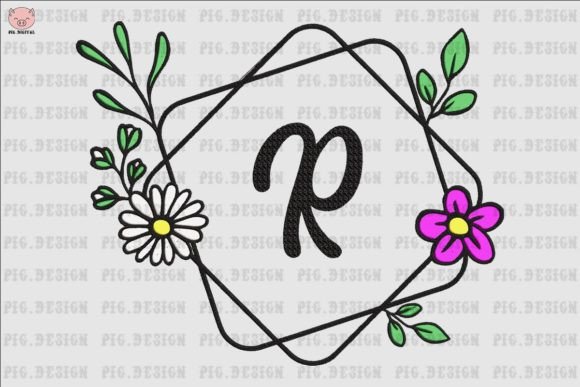
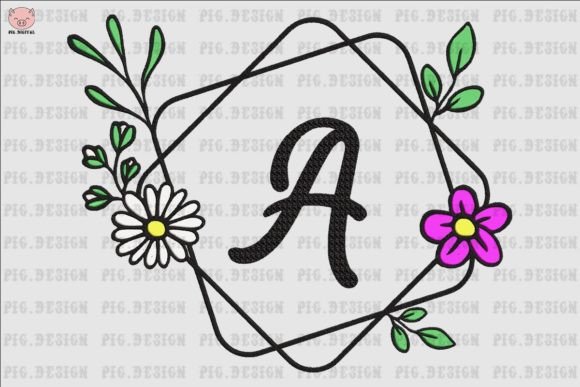
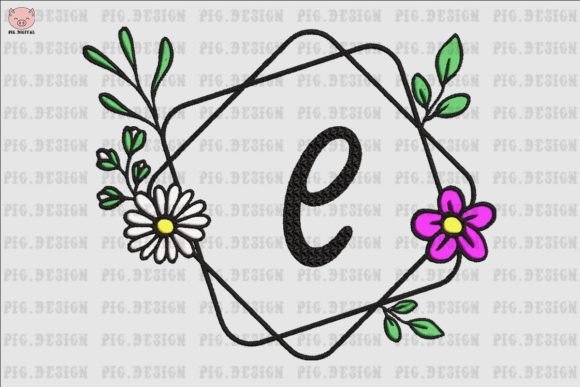
Upon loading the embroidery file, Flower Daisy Font E immediately reads as soft, feminine, and approachable. It does not scream "industrial" or "corporate." Instead, it carries a distinct handmade quality that resonates with customers browsing Etsy shops or local artisan markets. The floral integration into the letterforms suggests a style that is perfect for personalized gifts rather than generic branding. While categorized under Back To School, my professional assessment leans heavily toward year-round gifting and home decor. The font feels boutique-ready, making it an excellent candidate for items where the customer values charm over utility.
For a craft fair product lineup, this font signals "customization." Customers are drawn to items that feel unique to them. Because Flower Daisy Font E has such distinct character, it elevates simple blanks into premium handmade products. It avoids the sterile look of standard block fonts, which helps justify higher price points at markets where buyers expect artistry.
Performance Across Key Product Categories
To determine if this design asset deserves hoop space during a production run, I tested its viability across several high-margin categories common in small businesses.
Tote Bags and Market Shoppers
The tote bag design application is perhaps the strongest use case for Flower Daisy Font E. Canvas and cotton twill provide a stable foundation for the decorative stitches. On a natural-colored tote, using a deep green or navy thread creates a beautiful contrast that catches the eye from a distance at a booth. The font size allows for readable names or short phrases like "Market Day" without overwhelming the bag's negative space. As an Etsy seller, photographing these bags is straightforward because the texture of the canvas complements the organic nature of the daisy details.
Aprons and Kitchen Textiles
Apron embroidery requires durability. Kitchens are messy, and aprons are washed frequently. Flower Daisy Font E works well here, provided you adjust the stitch density slightly for heavier denim or canvas aprons. For tea towel embroidery, however, caution is needed. Flour sack towels are forgiving, but waffle-weave or textured linens can cause registration issues with intricate floral fonts. If using this font on tea towels, stick to smoother weaves to ensure the daisy details remain crisp after laundering.
Patches and Small Accessories
Creating an embroidered patch with this font offers high perceived value. Patches are low-cost to produce but sell well as add-ons. Flower Daisy Font E shines on felt or twill patch bases. However, because of the floral embellishments, this is not suitable for micro-patches. Keep the sizing above two inches to maintain legibility. For fabric pouches and pencil cases, this font adds a lovely personalization element that appeals to the Back To School demographic without looking juvenile.
Production Practicality and Booth Display Strategy
A design might be beautiful, but if it takes three hours to stitch out, it destroys profit margins. Flower Daisy Font E appears to balance detail with efficiency. For batch production, I recommend grouping similar colors to minimize thread changes. The design likely uses multiple colors given the description, so organizing your production queue by color rather than by item will save significant time.
At the craft fair booth, visual hierarchy matters. Use Flower Daisy Font E as your "hero" text on display samples. Its decorative nature draws customers in, while simpler fonts can be used for secondary information like dates or locations. When creating printable mockups for social media promotion before the event, ensure the digital representation matches the stitched reality. Customers appreciate accuracy. If the font looks bold online, do not stitch it out thinly. Consistency builds trust in your brand.
Critical Technical Considerations for Sellers
Before committing to a full production run, experienced embroiderers must address specific technical challenges associated with decorative typography.
- Fabric Texture Compatibility: Avoid using Flower Daisy Font E on high-pile fabrics like terry cloth or fleece without a water-soluble topping. The daisy details will sink into the pile and become invisible.
- Stabilizer Selection: For stretchy knits or lightweight summer fabrics, use a cut-away stabilizer. Tear-aways may distort the delicate floral serifs during removal, ruining the finished product.
- Small Lettering Risks: Decorative fonts often struggle at sizes below one inch. Test the minimum legible size on scrap fabric. If the daisies turn into thread blobs at small scales, reserve this font for large focal designs only.
- Curved Surfaces: Caps and curved pouches present hooping challenges. Ensure your hoop size accommodates the curve without pushing the fabric away from the needle plate, which causes misalignment in multi-color designs.
- Thread Contrast: Pastel threads on white fabric often disappear in photos and in bright outdoor lighting. Opt for medium-to-dark saturation threads to make the design pop in both person and pictures.
Designer Notes for Commercial Success
As a business owner, protecting your investment is paramount. Always verify the licensing terms included with the digital embroidery file. Confirm that you have the right to sell physical items embroidered with Flower Daisy Font E commercially. Never assume a license covers unlimited sales or specific platforms without reading the terms.
I strongly advise stitching out a test sample on the exact material you intend to sell. Do not rely solely on software simulations. Check the spacing between letters; sometimes decorative fonts require manual kerning adjustments to prevent overlapping florals from causing thread breaks. Review your thread colors against your blank inventory. A color that looks vibrant on screen might clash with a specific shade of sage green linen.
Finally, consider the longevity of the trend. Floral fonts cycle in and out of fashion. Flower Daisy Font E currently aligns well with the cottagecore and slow-living aesthetics dominating the handmade space. By positioning this design on timeless items like canvas totes and linen aprons rather than trendy fast-fashion pieces, you extend the shelf life of your inventory. Whether you are stocking an Etsy shop or setting up a weekend stall, treating Flower Daisy Font E as a premium design asset rather than a quick filler will yield better engagement and higher conversion rates. Remember to check all specific file formats and hoop requirements provided by the digitizer before beginning your commercial embroidery journey.