Book Embroidery Design: A Craft Fair Seller’s Review
As an experienced embroidery designer preparing for a busy weekend craft fair, I approach every new machine embroidery design with a critical eye. It is not enough for a digitized file to simply stitch out correctly on screen; it must translate into a profitable craft fair product that catches the attention of shoppers walking past a crowded booth. When reviewing the "Book" design for my upcoming market table, I am evaluating it specifically through the lens of commercial viability, production efficiency, and aesthetic appeal for the Back To School season and beyond.
First Impressions and Market Positioning
The "Book" design immediately strikes me as a versatile staple rather than a niche novelty. Based on the title and description emphasizing uniqueness and customizable color schemes, this design leans toward a modern, academic aesthetic that bridges the gap between nostalgic farmhouse charm and contemporary minimalism. For an Etsy seller or boutique maker, this flexibility is gold. It does not lock you into a single seasonal trend; while it is perfect for August and September, a book motif remains relevant year-round for librarians, teachers, students, and avid readers.
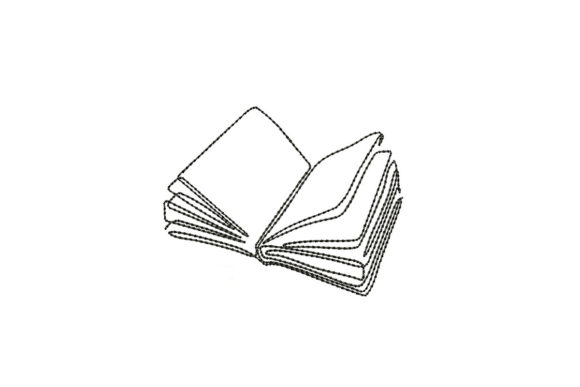
Visually, the design appears balanced. It avoids being overly dense, which suggests it will maintain a soft hand feel—a crucial selling point for handmade products where customers value texture as much as visuals. The ability to choose the color scheme at discretion means I can adapt this single embroidery file to match various brand palettes, from muted earth tones for linen goods to bright primary colors for children’s school supplies.
Best Performing Products for Booth Displays
When planning my table layout, I need to know where "Book" will generate the most sales. Not every design works on every substrate, and understanding fabric interaction is key to professional results.
- Tote Bags and Market Bags: This is arguably the strongest application for this design. A tote bag design featuring a stylized book serves as a walking billboard for literacy and learning. Canvas and denim tote bags provide a stable base that supports detailed stitching without distortion. Because the description notes this decorates clothes and interior items, scaling the design up for a large center-chest placement on a canvas shopper creates a high-value focal point.
- Aprons and Kitchen Textiles: Apron embroidery requires durability. If the "Book" design utilizes satin stitches or fill patterns that are too lofty, they may snag during use. However, if the digitizing is clean and flat, this makes for an excellent gift for home bakers who love reading recipes. Pairing this with matching tea towel embroidery creates a bundled product opportunity that increases average transaction value at fairs.
- Patches and Caps: Smaller applications require careful scrutiny. As an embroidered patch, the "Book" motif must retain clarity when reduced. I would test this size before committing to batch production. For caps, the curved surface can distort rectangular shapes like books. Unless the design has been specifically digitized for cap hoops with appropriate pull compensation, I would reserve this for flat-brim hats or structured panels to prevent registration issues.
- Interior Decor: Pillow covers and fabric pouches allow for larger hoop sizes. These items benefit from the "interior items" aspect of the product description. A throw pillow with a subtle, tone-on-tone book embroidery appeals to the home decor demographic and justifies a higher price point due to the perceived customization.
Production Practicality and Batch Efficiency
For a small shop product line, time is money. I evaluate "Book" based on how easily it fits into a production workflow. The note regarding choosing materials at discretion implies the design is likely adaptable to different thread weights and types. This is advantageous for commercial embroidery because it allows me to use existing inventory rather than purchasing specialty threads for a single project.
However, repeatability depends on consistent stabilization. Because the design is intended for both clothing and interior items, I must verify how it behaves on stretchy knits versus woven cottons. A design that requires three different stabilizer setups slows down production. Ideally, "Book" should be stable enough for standard tear-away or cut-away backing across multiple fabric types. If the stitch density is moderate, I can run multiple hoops in succession without excessive thread breaks or puckering, making it a reliable filler design between more complex custom orders.
Critical Use Notes and Technical Warnings
Even the best digital embroidery file has limitations. As a professional, I must highlight potential pitfalls to ensure customer satisfaction and reduce waste.
- Fabric Texture Compatibility: The description mentions decorating clothes and interior items. Be cautious when applying this to highly textured fabrics like terry cloth or boucle. Fine details in a book illustration, such as page lines or small text, can get lost in the pile. Always use a water-soluble topping on textured surfaces to keep stitches visible.
- Small Lettering Clarity: If the "Book" design includes any typography, check the minimum height. Text smaller than 6mm often becomes illegible after washing. If you plan to resize the design down for baby onesies or pocket accents, verify that the lettering remains open and distinct.
- Dark Fabric Contrast: Since users can select their own color scheme, remember that contrast is king. A dark navy book on a black tote bag will vanish in low-light craft fair environments. Always create a high-contrast sample for your booth display so customers can visualize the potential.
- Hoop Size Verification: Do not assume the design fits your smallest hoop. Check the specific dimensions of the embroidery file before purchasing. Trying to shrink a design meant for a 5x7 hoop down to a 4x4 area often results in stitch overlap and poor definition.
Visual Merchandising and Customer Engagement
At a craft fair, customers buy with their eyes first. The "Book" design contributes significantly to booth cohesion. By using this single motif across different products—perhaps a navy version on aprons and a sage green version on pillows—you create a curated collection rather than a disjointed assortment. This visual consistency signals professionalism and brand maturity.
For online sellers, this design photographs exceptionally well because of its recognizable shape. Books are universally understood symbols. When creating a printable mockup or listing photo, the clear silhouette ensures the product is identifiable even in thumbnail size. This boosts click-through rates on platforms like Etsy. Furthermore, offering the design as part of a "Back To School" bundle or a "Reader’s Gift Set" leverages the emotional connection buyers have with education and storytelling, directly influencing purchase decisions.
Designer’s Pre-Production Checklist
Before listing "Book" as a finished product or selling the assets, complete this essential quality control process:
- Test Stitch-Out: Never skip this step. Run the design on scrap fabric identical to your final product. Inspect the stitch density and registration.
- Stabilizer Match: Confirm the correct backing for your specific substrate. Test wash the sample to ensure no puckering occurs after laundering.
- Thread Color Validation: Since the color scheme is discretionary, create at least three physical samples in different palettes to see which sells best. Digital screens do not always represent true thread sheen.
- Licensing Confirmation: Verify the terms of the design assets. Ensure you have the right to sell finished physical products or if the license restricts you to personal use only. This protects your business legally.
- Mockup Creation: Photograph real samples rather than relying solely on software renderings. Customers trust photos of actual finished products more than digital simulations.
Ultimately, "Book" represents a solid investment for embroidery entrepreneurs. Its adaptability to various thread colors and substrates makes it a workhorse design for the Back To School rush and a timeless addition to any handmade inventory. By respecting the technical requirements and leveraging its broad appeal, this design can become a consistent bestseller in both digital and physical marketplaces.