Pig Face: A Designer’s Review for Real Projects
When evaluating a new machine embroidery design for my studio, I look past the digital preview and imagine the needle hitting fabric. The Pig Face design immediately stands out as a versatile candidate for the Farm Animals category, but its true value lies in how it translates from screen to stitch. As a designer who creates both custom client work and products for my own small shop, I need assets that are reliable, visually appealing, and commercially viable. This review breaks down my practical assessment of the Pig Face embroidery file, focusing on real-world application rather than just aesthetic appeal.
First Impressions and Visual Personality
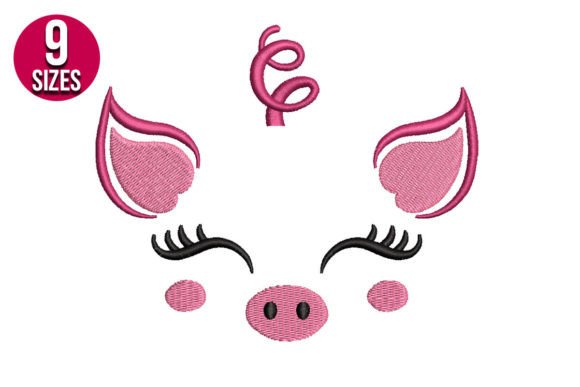
My initial reaction to Pig Face is that it strikes a difficult balance: it is undeniably cute without being overly infantile. Many farm animal designs lean too heavily into cartoonish exaggeration, which limits their marketability to older children or adult buyers. This design, however, possesses a charming personality that feels appropriate for a wide demographic. The shape is distinct and readable, which is crucial when viewing an embroidered patch or a design on a moving child from a distance.
The layout suggests a balanced distribution of stitch types. Visually, I can see where the satin stitch outlines likely define the facial features, while fill stitch areas provide the body color. This combination is essential for creating depth. A flat design often looks cheap on a finished product, but the implied dimension here suggests it will pop nicely against various backgrounds. For an Etsy seller or boutique owner, this visual clarity means the design will photograph well for listings and hold up in thumbnail previews.
Real-World Application: The Custom Tote Bag Test
To truly judge this design, I mentally placed it on a canvas tote bag project I recently completed for a local farmers' market vendor. Tote bags present specific challenges because canvas has a coarse fabric texture that can swallow fine details. In this scenario, Pig Face performs exceptionally well because its bold shapes are forgiving. Unlike intricate floral designs with tiny running stitches that might get lost in the weave, this pig face maintains its integrity on heavier substrates.
I also considered this design for a personalized sweatshirt. When stitching on fleece or French terry, the pile of the fabric can distort delicate lines. Because Pig Face appears to have substantial coverage and clear boundaries, it would likely sit atop the fabric nap effectively, provided the correct stabilizer is used. For a craft business owner creating back-to-school merchandise, this durability is key. Parents want items that survive washing machines, and designs with adequate density and secure edges prevent fraying over time.
Navigating Fabric Choices and Hoop Constraints
While versatile, no digital embroidery file is immune to physics. There are specific scenarios where I would advise caution when using Pig Face. If you are working with stretchy knits for baby embroidery, the design’s stability depends entirely on your hooping technique. Knit fabrics shift, and if the pig’s face distorts during stitching, the result will look unprofessional. Always use a cut-away stabilizer and consider a topping for high-pile fabrics to ensure the satin stitches remain crisp.
Regarding hoop size, verify the dimensions before purchasing or stitching. While the description notes multiple sizes, resizing a complex face can be tricky. Reducing a design too much can cause satin stitches to become too narrow, leading to thread breaks or a loss of detail in the eyes and snout. Conversely, enlarging it excessively might reveal gaps in fill stitches if the original digitizing wasn't optimized for scaling. Always check the specific measurements against your machine’s capabilities and the intended placement area.
Dark fabrics also require forethought. If the Pig Face design relies on light-colored fills, stitching it directly onto navy or black fabric may require a white underlay or a full background block to prevent the dark fabric from showing through. Without this, the colors can appear muddy. For commercial embroidery projects where consistency is paramount, test the color contrast on scrap fabric first. What looks vibrant on a white screen background may need adjustment when stitched on charcoal grey apparel.
Commercial Viability for Makers and Sellers
For those running a handmade product line, Pig Face offers strong commercial potential. It fits seamlessly into nursery decor, holiday embroidery collections, and personalized gift markets. However, professionalism comes from execution. Before listing a finished product featuring this design, create a printable mockup to visualize placement. Does the pig sit centered on the chest? Is it proportionate to the pocket on an apron? These spatial considerations separate hobbyist work from professional boutique items.
Buyer engagement often hinges on trust. Customers recognize quality stitching. If you use this design for an applique design variation, ensure your raw edges are sealed properly. Exposed fraying on a pig’s ear looks messy after one wash. Taking the time to refine your finishing techniques elevates the perceived value of the item. Furthermore, always confirm licensing terms. Just because you bought the embroidery file does not automatically grant permission to sell the digital file itself or mass-produce items without attribution. Respecting intellectual property protects your business reputation.
Essential Designer Notes for Success
Based on my experience with similar Farm Animals themes, here are my practical recommendations for getting the best results with Pig Face:
- Test Stitch First: Never run this design on a final garment without a test run on similar scrap fabric. Check for registration issues between the outline and fill areas.
- Evaluate Thread Colors: The default palette may not match your brand. Swap thread colors to match your shop’s aesthetic or the client’s request, but maintain sufficient contrast between the face and facial features for readability.
- Check Stitch Density: If stitching on lightweight cotton like quilting fabric, ensure the design isn’t too dense, which could cause puckering. If it is too heavy, consider using a tear-away stabilizer underneath and a spray adhesive to keep layers taut.
- Mockup Verification: Use black and white mockups to test value contrast. If the design disappears in grayscale, it lacks sufficient tonal variation and may need thread color adjustments.
- Placement Strategy: For baby clothes, place the design lower on the chest so it remains visible when the baby is held. For tote bags, center it vertically to account for the bag sagging when loaded with items.
- Licensing Compliance: Before selling any finished product or using the design in digital assets, read the license agreement included with the file. Ensure your intended commercial use aligns with the designer's terms.
Final Thoughts on Project Integration
Pig Face is more than just a cute graphic; it is a functional asset for embroidery professionals and enthusiasts alike. Its strength lies in its adaptability across different mediums, from delicate baby bibs to rugged canvas bags. By approaching this design with a critical eye toward fabric interaction, stabilizer selection, and commercial presentation, you transform a simple digital file into a high-quality finished product. Whether you are fulfilling a custom order or stocking your Etsy shop for the upcoming season, this design provides a solid foundation for creative success when executed with technical precision and thoughtful planning.