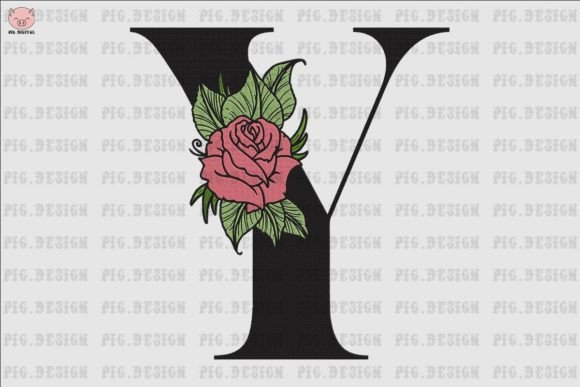
Rose Font C: A Designer’s Seasonal Review
As an embroidery designer curating collections for the upcoming holiday rush and transitional seasons, selecting the right typography is often more critical than choosing the graphic itself. Text carries the emotional weight of a personalized gift and dictates the perceived value of a finished product. After reviewing Rose Font C for potential inclusion in my seasonal lineup, I see it as a versatile contender that bridges the gap between nostalgic charm and modern elegance. This machine embroidery design offers a distinct aesthetic that feels particularly suited for creators looking to elevate their holiday embroidery offerings beyond standard block lettering.
First Impressions: Mood and Decorative Style
My initial assessment of Rose Font C focuses on its emotional tone. Unlike rigid sans-serif fonts that can feel clinical, or overly ornate scripts that risk illegibility on textured fabrics, this typeface strikes a balance. It possesses a softness that evokes warmth, making it ideal for cozy winter apparel and sentimental home decor. The decorative style leans toward a refined vintage aesthetic, which performs exceptionally well for customers seeking items that feel heirloom-quality rather than mass-produced.
For sellers targeting the Back To School category, this font avoids looking too juvenile. Instead, it offers a collegiate or classic academy vibe when stitched on varsity-style sweatshirts or canvas tote bags. However, its true strength lies in its adaptability for holiday markets. The curves are open enough to accommodate metallic threads without losing definition, yet detailed enough to look premium on high-thread-count linens. When planning a collection, this visual versatility means one embroidery file can service multiple niches, from rustic farmhouse kitchen towels to elegant baby announcement gifts.
Performance in Real Holiday Selling Scenarios
In a commercial setting, a font must perform across various mediums. I evaluated Rose Font C specifically for its utility in creating sellable inventory. For Etsy sellers and small shop owners, listing photography is paramount. This font renders beautifully in printable mockups because the letterforms have enough weight to remain visible in digital previews, even before a single stitch is laid. This reduces customer hesitation and increases conversion rates for custom orders.
When producing physical inventory for craft fairs or limited-edition drops, Rose Font C shines on specific substrates:
- Sweatshirt Embroidery: The font’s structure holds up well on fleece and french terry. It provides a boutique look that justifies a higher price point compared to standard vinyl transfers.
- Kitchen Towel Embroidery: On flour sack towels or tea towels, the design maintains clarity despite the fabric's weave. It reads clearly as "handmade" rather than factory-stamped.
- Tote Bag Design: For holiday shopping bags or gift totes, the font scales effectively. Large monograms using Rose Font C create instant visual impact from a distance.
- Pillow Cover: Seasonal throw pillows require text that complements rather than competes with surrounding patterns. This font acts as a harmonious anchor for busy holiday prints.
Furthermore, for those creating embroidered patches or appliqué letters, the clean edges of Rose Font C make digitizing satin stitch borders significantly easier, resulting in less fraying and a cleaner final edge.
Critical Considerations for Production Safety
While Rose Font C is aesthetically pleasing, experienced designers know that beauty does not always equal production safety. There are specific scenarios where caution is required to avoid wasted materials and unhappy customers. Before adding this to your seasonal embroidery workflow, consider these technical limitations:
Fabric Texture and Stability
The intricate details in decorative fonts can disappear on high-pile fabrics like plush velvet or thick terry cloth. If you plan to use Rose Font C on these textures, you must employ a heavy-duty water-soluble topping to prevent stitches from sinking. Without proper stabilizer selection, the delicate serifs may get lost, rendering the text unreadable.
Small Hoop Sizes and Tiny Lettering
This font was designed with decoration in mind, not necessarily for micro-text. When scaling down for small tags, cuff labels, or doll clothes, verify the minimum recommended size in your digital embroidery file documentation. Pushing the font below its safe threshold can cause thread breaks and poor registration. Always test stitch at the smallest intended size before committing to bulk production.
Metallic Thread and Washability
Holiday projects frequently utilize gold or silver threads. While Rose Font C looks stunning in metallics, these threads are thicker and less flexible. You may need to adjust your stitch density or needle size to prevent shredding. Additionally, if the finished product will be laundered frequently (like baby bibs or aprons), ensure the font complexity won't lead to snagging. Simpler variations of the font may be necessary for high-wear items.
Enhancing Buyer Emotion and Product Value
In the competitive landscape of commercial embroidery, typography signals quality. Buyers associate specific font styles with price tiers. Rose Font C communicates a level of craftsmanship that supports premium pricing. When a customer sees this font on a handmade gift, they perceive intentionality. It suggests the item was curated, not just printed.
This perception directly impacts giftability. During the holidays, shoppers are driven by emotion. A name stitched in Rose Font C on a stocking or ornament feels more personal and timeless than generic alternatives. For business owners, maintaining brand consistency with a signature font like this builds visual recognition. Over time, customers begin to associate that specific typographic style with your shop’s quality, fostering trust and repeat business during peak shopping periods.
Practical Designer Notes for Implementation
To maximize the success of Rose Font C in your seasonal collection, adhere to these professional best practices:
- Verify Technical Specs: The product description notes this design comes with multiple embroidery options, but exact stitch counts, formats, and licensing terms vary. Always check the specific file details before purchasing to ensure compatibility with your machine and compliance for commercial sale.
- Test Thread Colors: Contrast is key. Test the font in white on dark navy and gold on cream. What looks good on screen may lack pop in reality. Create a physical color chart for your studio.
- Confirm Hoop Size: Ensure your hoop can accommodate the full width of longer names without excessive re-hooping, which introduces alignment risks.
- Create Realistic Mockups: Don't rely solely on flat digital images. Stitch a sample on your actual selling substrate and photograph it in natural light. This confirms how the fabric texture interacts with the design.
- Plan Matching Palettes: Develop a seasonal color guide that pairs specific thread shades with Rose Font C. Offering pre-selected color combinations can streamline the ordering process for customers overwhelmed by choices.
- Review Licensing: Before selling finished goods featuring this font, confirm your commercial license covers your intended sales volume and platform. Protecting your business starts with respecting intellectual property.
Rose Font C represents a strong addition to any serious embroiderer's toolkit. By understanding both its aesthetic strengths and technical requirements, you can leverage this design to create meaningful, profitable seasonal products that resonate with holiday shoppers. Whether you are updating your Back To School inventory or preparing for the winter gift-giving season, this font offers the flexibility and elegance needed to stand out in a crowded marketplace. Remember to always validate your specific embroidery file parameters and test thoroughly to ensure every stitch contributes to a flawless final result.