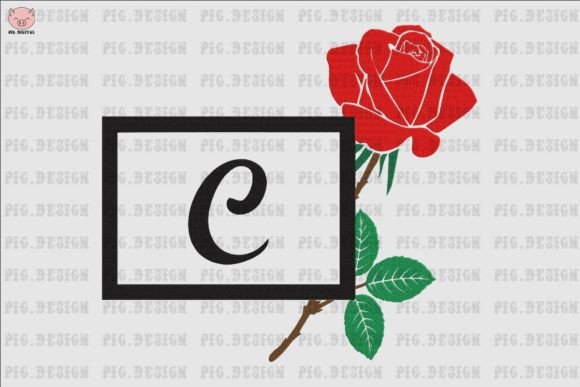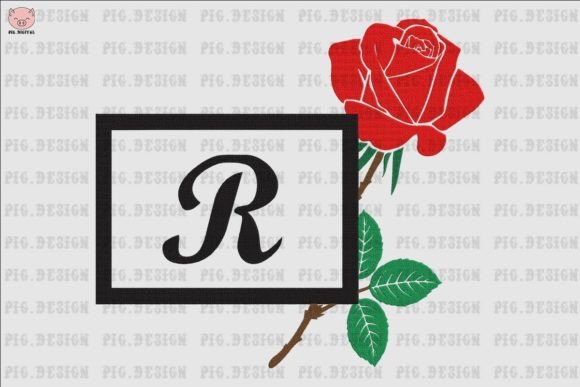
Rose Font R: A Designer Review for Business Merch
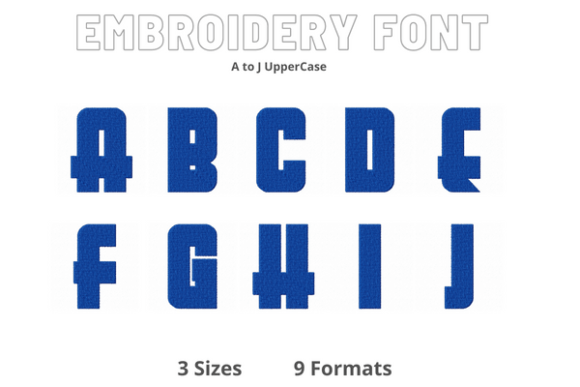
As an embroidery designer who specializes in commercial branding and small business merchandise, I approach every new typeface with a critical eye. When evaluating Rose Font R, my primary concern is not just aesthetic appeal, but functional viability across various branded products. While the product description highlights its suitability for clothes, home decor, and birthday gifts, my review focuses on how this machine embroidery design performs in high-stakes business environments. For shop owners, Etsy sellers, and apparel decorators, a font must bridge the gap between decorative charm and professional legibility. Rose Font R presents a unique opportunity for brands seeking a softer, more artisanal identity, but it requires strategic application to succeed in commercial embroidery projects.
Visual Personality and Brand Identity Alignment
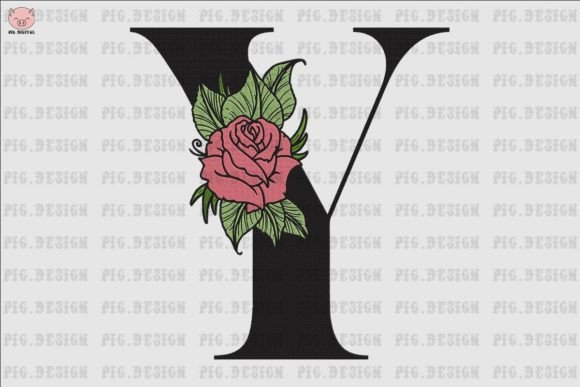
The first impression of Rose Font R is distinctly elegant yet approachable. It carries a script-like fluidity that suggests craftsmanship and attention to detail. For small business merch, this visual personality is a powerful tool. In an era where consumers crave authenticity, this typeface communicates a handmade product vibe even when produced via automated machinery. It feels premium without being stuffy, making it ideal for boutiques, florists, bakeries, and creative studios.
However, brand identity relies on consistency. If your business aims for a stark, industrial, or ultra-modern tech aesthetic, Rose Font R may clash with your existing design assets. Conversely, if your brand values warmth, tradition, or organic qualities, this font reinforces those messages instantly. When used for custom apparel or packaging accents, it signals to the customer that the business cares about aesthetics. This emotional connection can increase perceived product value and foster buyer engagement, turning a simple logo placement into a statement of quality.
Performance Across Commercial Applications
In real-world testing scenarios, Rose Font R demonstrates versatility, but its performance varies significantly by application. Understanding where it shines is crucial for maximizing return on investment for your digital embroidery file purchase.
Apron Embroidery and Staff Uniforms
For hospitality businesses like cafés and bistros, apron embroidery serves as both uniform and advertisement. Rose Font R works exceptionally well here as a secondary text element. While I would hesitate to use it for tiny employee names due to legibility concerns at small sizes, it is perfect for the business name or a tagline across the chest or bib. The flowing lines soften the utilitarian nature of workwear, making staff appear more welcoming. On heavier canvas aprons, the stitch density holds up well, provided the stabilizer is adequate to prevent puckering.
Tote Bag Design and Boutique Merchandise
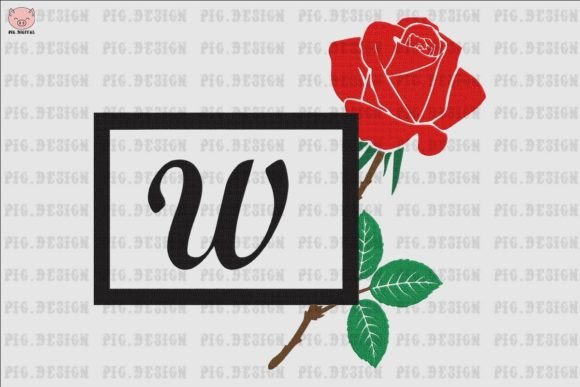
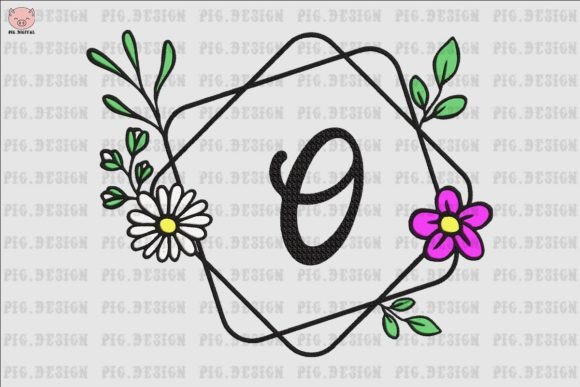
Tote bags are a staple for Etsy sellers and retail shops. Rose Font R excels in this medium because tote bags offer a large, flat embroidery area. The font’s decorative nature allows it to stand alone as a primary design element rather than just a label. When paired with simple floral motifs or geometric frames, it creates a cohesive look that customers want to carry. For event merch or customer gifts, this font adds a level of sophistication that standard block lettering cannot achieve, making the finished product feel like a keepsake rather than a disposable promotional item.
Cap Embroidery and Curved Surfaces
Cap embroidery presents specific challenges due to the curved surface and limited vertical space. Rose Font R can be used effectively on caps, but only if sized correctly. The intricate curves of the letterforms require precise registration. If the design is too small, the internal spaces of the letters may fill in, creating illegible blobs. I recommend using this font primarily for the front center panel where there is ample height, avoiding the side panels or back straps where compression distorts detailed script.
Critical Considerations for Production
While Rose Font R is beautiful, it demands respect during the digitizing and production phases. As with any script-style machine embroidery design, there are technical limitations that business owners must acknowledge to avoid costly reworks.
- Small Patch Sizes: Creating an embroidered patch with this font requires caution. If the patch diameter is under three inches, the fine details of Rose Font R may be lost. Always verify the minimum readable size before committing to bulk patch production.
- Stitch Density and Fabric Texture: On textured fabrics like terry cloth or heavy denim, the delicate strokes of this font can get swallowed. You may need to increase the underlay or adjust the stitch density to ensure the thread sits on top of the fabric pile. Smooth fabrics like twill, poplin, or satin yield the best results.
- Thread Colors and Contrast: High contrast is non-negotiable for script fonts. White thread on a cream shirt might look elegant in a digital mockup but will disappear in natural light. Always test thread colors against the actual garment material. Dark uniforms require bright or metallic threads to maintain the font's definition.
- Washability: For items needing frequent washing, such as chef coats or kids' clothing (relevant for Back To School merchandise), ensure the column width is sufficient. Extremely thin script lines are prone to breaking or fraying over time. Verify that the digitizer has accounted for durability in high-wear applications.
Designer Notes for Successful Implementation
Before loading this embroidery file into your machine for a client order or inventory run, follow these professional protocols to ensure a flawless finished product.
- Verify File Specifications: The product description mentions multiple embroidery formats, but you must confirm compatibility with your specific machine. Check the hoop size requirements immediately; some script fonts have wide aspect ratios that may not fit standard 4x4 hoops without resizing.
- Create Printable Mockups: Never assume a digital preview translates perfectly to thread. Create a printable mockup at actual size and tape it to the garment. This helps visualize spacing and proportion relative to seams, pockets, and plackets.
- Test on Real Fabric: Digital simulations do not account for fabric stretch or stabilizer interaction. Run a sew-out on a scrap of the exact material you intend to use. Inspect the registration, especially where connecting stitches meet letter bodies.
- Check Licensing: For small business owners, commercial licensing is paramount. Confirm that your purchase of Rose Font R includes rights for selling physical embroidered goods. Protect your business by ensuring your usage aligns with the designer’s terms.
- Compare Beside Other Assets: Place a sew-out of Rose Font R next to your existing business cards, website headers, and other branded items. Visual consistency builds trust. If the font feels disjointed from your current identity, consider using it only for special seasonal collections or limited-edition handmade product lines rather than core branding.
Elevating Small Business Merchandise
Rose Font R is more than just a pretty typeface; it is a strategic asset for businesses that sell emotion as much as they sell products. Whether you are designing for a local florist, a pet brand, or a personal craft business, this font offers a pathway to elevated presentation. By understanding its technical requirements and respecting its visual character, you can transform standard blank apparel into meaningful brand touchpoints.
Remember that successful commercial embroidery is a balance of art and engineering. Take the time to test, stabilize properly, and validate your design choices. When executed correctly, Rose Font R delivers a level of polish and warmth that distinguishes small business merch from mass-produced alternatives, ultimately strengthening customer loyalty and enhancing the perceived value of your brand.