Japanese School Girl: An Embroidery Design Review
When evaluating a new machine embroidery design for my studio, I look beyond the digital preview. As designers and makers, we know that what looks crisp on a screen can sometimes translate into a puckered mess or a stiff patch on actual fabric. Recently, I tested the Japanese School Girl design with a specific client project in mind: a custom back-to-school collection for a local boutique. My goal was to determine if this classic, cute aesthetic could withstand real-world stitching and appeal to parents looking for unique custom apparel and accessories.
Capturing the Classic Aesthetic in Thread
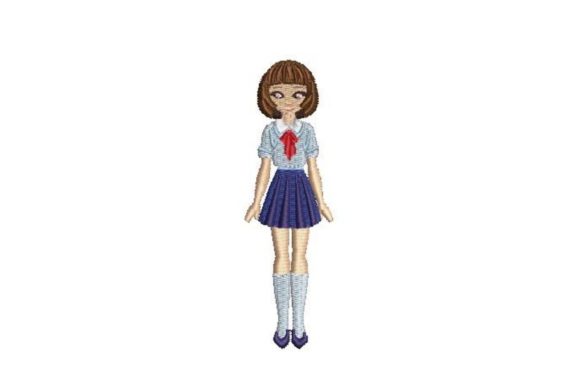
The first impression of the Japanese School Girl design is undeniably charming. It captures a specific nostalgia associated with traditional uniforms—clean lines, modest styling, and an innocent mood. For an Etsy seller or small shop product creator, this visual personality is gold. It avoids being overly cartoonish, leaning instead toward a timeless illustration style that appeals to both children and adults who appreciate vintage-inspired design assets.
In my test run, the layout felt balanced. The silhouette is distinct enough to be recognizable even at smaller sizes, which is crucial when you are working with limited hoop size options. The design relies on a mix of techniques; observing the stitch file, it appears to utilize satin stitch for defining edges and facial features, while fill stitch areas provide coverage for the uniform. This combination is standard for high-quality embroidery file formats, but the execution here matters. The transition between these stitch types needs to be smooth to prevent gaps or bulk, especially around the collar and pleats of the skirt.
Real-World Application: The Tote Bag Test
To truly judge this design, I moved past the standard cotton quilt square test. I chose a canvas tote bag design application because school accessories are a primary use case mentioned in the product description. Canvas presents a challenge due to its weave and thickness. I wanted to see if the Japanese School Girl would sink into the fabric or sit proudly on top.
Using a medium-weight cutaway stabilizer, the design stitched out with impressive clarity. The running stitch details used for texture in the hair and uniform folds remained visible against the natural canvas background. This is where many designs fail; fine details often get lost on textured fabrics. However, because this design maintains adequate spacing between stitch columns, the character’s expression remained legible and sweet. For a handmade product intended for daily school use, this durability of detail is essential. Parents want items that look good after months of wear, not just on the day of purchase.
I also considered how this would translate to sweatshirt embroidery. Fleece and French terry are notoriously difficult due to their pile. If you plan to use this design on apparel, I strongly recommend testing on scrap fleece first. You may need to add a water-soluble topping to keep the stitch density from burying itself in the fabric nap. The design has enough open space to work well on knits, provided you use the correct stabilization strategy to prevent distortion.
Navigating Fabric Choices and Technical Limits
While the Japanese School Girl is versatile, it requires thoughtful placement. During my review, I noted several scenarios where caution is necessary:
- Stretchy Fabrics: On ribbed knits or spandex blends, the structured nature of a uniform design can cause tunneling. Always use a fusible backing or heavy-duty cutaway stabilizer to anchor the embroidery project securely.
- Dark Fabrics: The design likely includes skin tones and white uniform elements. On black or navy fabric, ensure your thread colors have sufficient contrast. Sometimes, placing a white underlay beneath colored sections helps vibrancy pop against dark backgrounds.
- Small Hoop Sizes: If you are resizing this down for a baby bib or sleeve cuff, check the smallest text or facial features. Reducing a design too much can cause satin stitches to merge. Verify the minimum recommended size in your digital embroidery file metadata before scaling down.
- Curved Surfaces: For caps or curved bags, the flat geometry of a schoolgirl figure might distort. This design works best on flat surfaces like pillow covers, aprons, or the front panel of a tote.
Commercial Viability for Makers and Sellers
For those running a craft business or selling on platforms like Etsy, the commercial potential of this design is significant, particularly during the late summer rush. The "Back To School" niche is competitive, but the Japanese uniform theme offers a unique differentiator compared to generic pencils or apples. It functions beautifully as a standalone motif or as part of a larger personalized gift set.
However, professionalism dictates that you verify your licensing. Before listing any finished product for sale, confirm whether your purchase includes commercial rights for physical goods versus digital redistribution. Never resell the embroidery file itself unless explicitly permitted. Instead, focus on creating value through your material choices and finishing techniques. A well-stitched Japanese School Girl on a premium linen tea towel commands a higher price point than the same design hastily stitched on thin polyester.
When creating printable mockups or listing photos, show the design in context. Buyers engage more with products they can visualize in real life. Photograph the embroidered item being worn or used, rather than just laying flat. This builds trust and demonstrates that you understand how the design behaves on actual merchandise.
Essential Designer Notes for Success
Based on my hands-on experience with this design, here are practical recommendations to ensure your commercial embroidery or personal projects succeed:
- Always Test Stitch: Never run this design directly on a final garment without a test. Use scrap fabric that matches your project's weight and texture. Check for registration issues between color changes.
- Review Thread Palette: The charm of this design lies in its color accuracy. Compare your thread chart to the designer’s suggested palette. Slight variations in skin tone or uniform navy can alter the entire mood.
- Check Stabilizer Pairing: For woven cottons, tear-away may suffice. For knits, stretch wovens, or towels, cutaway is non-negotiable. The stability of your base determines the longevity of the embroidered patch or appliqué.
- Inspect Small Details: After stitching, examine the face and hands closely. If stitches are pulling or looping, adjust your tension or needle size. A sharp embroidery needle (75/11) usually works best for detailed character work.
- Validate File Compatibility: Since this design comes with multiple files, ensure you select the correct format for your machine. Double-check that the design fits within your machine’s maximum stitch area before starting.
Final Thoughts on Value and Presentation
The Japanese School Girl machine embroidery design earns its place in a professional digitizer’s library. It balances aesthetic appeal with technical soundness, making it suitable for everything from baby embroidery keepsakes to trendy teen accessories. Its success in your shop depends less on the design itself and more on your execution. By respecting fabric limitations, choosing appropriate stabilizers, and presenting the holiday embroidery or back-to-school item with care, you elevate a simple digital file into a cherished handmade product.
Whether you are decorating a nursery, launching a seasonal collection, or creating a one-of-a-kind gift, this design offers a reliable foundation. Just remember that great embroidery is a partnership between the digitizer’s art and the embroiderer’s skill. Take the time to test, adjust, and refine, and this charming schoolgirl will become a staple in your creative repertoire.