Computer Mouse Pad: Embroidery Design Review
First Impressions for Commercial Branding
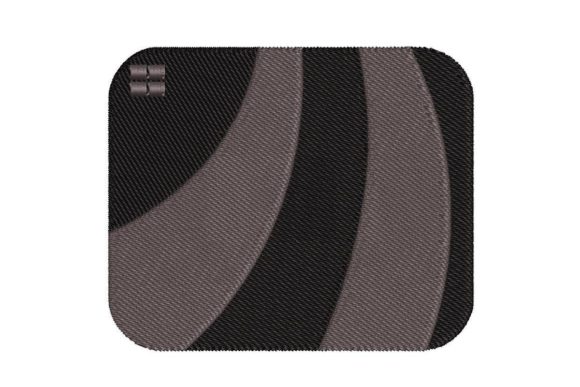
As an embroidery designer evaluating assets for small business merchandise, my first look at the Computer Mouse Pad design reveals a versatile graphic with significant potential beyond its literal name. While categorized under Back To School, this machine embroidery design possesses a clean, functional aesthetic that translates exceptionally well to modern creative studios, tech repair shops, and handmade brands. The description notes that this cute embroidery is perfect to complete your collection and can be sewn on any kind of clothes or accessories, which immediately signals versatility to commercial decorators.
Visually, the design strikes a balance between playful and professional. It avoids overly complex shading that often causes registration issues on high-speed machines, making it a reliable candidate for bulk production. For a small business owner, this visual personality suggests approachability and precision. It feels modern yet accessible, avoiding the stiffness of corporate clip art while maintaining enough structure to serve as a legitimate brand identifier. Whether you are running an Etsy shop selling digital planner stickers or a local computer repair boutique, this design offers a friendly entry point for customer engagement.
Real-World Applications for Small Business Merch
When integrating the Computer Mouse Pad design into a commercial product line, we must look beyond standard placement. This embroidery file is particularly strong for creating cohesive brand identity across various touchpoints. For a creative agency or freelance designer, this motif works beautifully as a chest logo accent on staff uniforms or branded polo shirts. It communicates industry relevance without being overtly aggressive.
Consider the following applications where this design excels in a business context:
- Embroidered Patches: Due to its likely compact nature, this design is ideal for morale patches or laptop bag accents. Patches allow businesses to sell add-on merchandise without committing to full custom apparel inventory.
- Tote Bag Design: For vendors at craft fairs or tech conferences, this graphic serves as an excellent centerpiece for canvas tote bags. The contrast of a tech-related icon on natural cotton creates a trendy, handmade product vibe that appeals to younger demographics.
- Apron Embroidery: Unexpectedly, this works for maker spaces or 3D printing shops where staff wear aprons. Placing the Computer Mouse Pad design on the upper bib area adds a touch of niche humor and professionalism to protective gear.
- Cap Embroidery: If the digitizing maintains a reasonable width-to-height ratio, this design can adapt to the curved front panel of a baseball cap, serving as uniform headwear for delivery drivers or event staff.
- Product Packaging Accents: Stitch this onto fabric dust bags or reusable packaging wraps to elevate the unboxing experience for digital products or hardware sales.
In each scenario, the design acts as a subtle reinforcement of brand values. It tells the customer that the business pays attention to details, transforming a simple utility item into a memorable branding asset.
Technical Considerations and Production Safety
While the Computer Mouse Pad design is marketed as suitable for any accessory, professional embroiderers know that "any" requires qualification. When using this digital embroidery file for commercial projects, specific technical constraints must be respected to ensure the finished product meets quality standards.
Stitch Density and Fabric Texture: Tech-inspired designs often feature solid fill areas or precise satin stitch borders. Before running a production batch, verify the stitch density against your target fabric. If applying this to a textured towel or heavy canvas tote bag, the design may require additional underlay to prevent sinking. Conversely, if used on lightweight performance wear for summer events, excessive density could cause puckering or fabric distortion. Always test on the actual garment material, not just a scrap of similar weight.
Small Patch Sizes and Detail Loss: The description mentions sewing on accessories, which often implies smaller real estate. If resizing the Computer Mouse Pad design down to a 2-inch patch size, inspect the lettering and internal details. Tiny text or narrow gaps between elements may close up during stitching. As a rule, never reduce a machine embroidery design below 70% of its original size without re-digitizing or simplifying the artwork. For patches, ensure there is adequate space for a merrowed edge or satin border without encroaching on the central graphic.
Hoop Size and Stabilizer Selection: Confirm the hoop size requirements before purchasing. A design that fits a 4x4 hoop offers maximum versatility for small business merch, whereas larger formats limit application to jackets or back panels. Regarding stabilizer, treat this as a variable dependent on the end use. Caps require firm tear-away; stretchy knits demand cut-away mesh; and structured bags might need fusible backing. Never assume one stabilizer works for all applications of the same embroidery file.
Strategic Brand Value and Customer Trust
Why invest time in testing and producing the Computer Mouse Pad design for your business? Because consistent, high-quality visual assets build trust. In the handmade and small business sector, customers equate craftsmanship with competence. A poorly executed embroidery job—puckered fabric, misaligned outlines, or thread breaks—signals carelessness. A crisp, well-tested application of this design signals professionalism.
Furthermore, this design supports visual consistency across diverse product lines. When your website banner, physical storefront signage, staff apparel, and customer gifts all share a unified aesthetic, brand recognition accelerates. The Computer Mouse Pad motif bridges the gap between digital services and physical goods, making it uniquely valuable for hybrid businesses. It transforms generic blank goods into proprietary assets, increasing perceived value and justifying premium pricing on custom apparel and accessories.
Designer Notes for Successful Implementation
Before adding this design to your commercial catalog or production queue, follow this professional checklist to mitigate risk and maximize return:
- Verify Licensing: The product description states the design comes with multiple embroidery file formats, but it does not explicitly detail commercial licensing terms. Always confirm you have the right to use the design on items for sale versus personal use before listing products on Etsy or Shopify.
- Create Printable Mockups: Use software to overlay the design onto photos of your actual merchandise. Share these printable mockup images with clients or focus groups for approval before stitching. This saves thread, time, and blank inventory.
- Test Thread Colors: Monitor colors differ from thread colors. Run a sew-out using your intended brand palette. Check contrast ratios to ensure the Computer Mouse Pad design remains legible on dark uniforms or colored fabrics.
- Inspect Spacing and Kerning: If the design includes text, verify spacing at your intended print size. Automated resizing often distorts character spacing. Manual adjustment may be necessary for professional results.
- Compare Beside Other Assets: Place this design next to your existing logo and marketing materials. Does it match the stroke weight and style? Visual harmony is essential for brand identity.
- Document Production Settings: Once you achieve a perfect sew-out, record the stabilizer type, needle size, tension settings, and hoop configuration. This ensures repeatability for future orders of small business merch.
By treating the Computer Mouse Pad design as a professional tool rather than just a decorative element, you unlock its full potential for commercial embroidery. It becomes more than a cute addition to a collection; it becomes a strategic asset for building a recognizable, trustworthy, and profitable handmade brand. Always prioritize testing and verification to ensure every stitched product reflects the quality your customers expect.