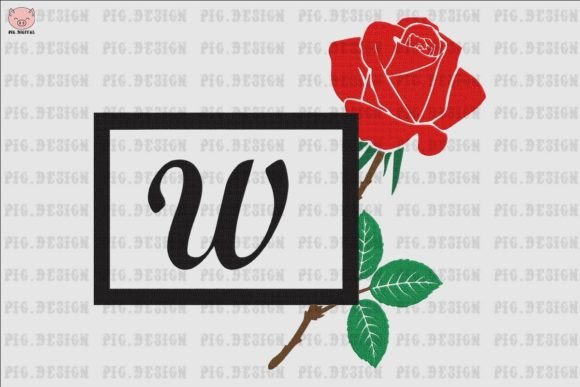
Rose Font W: A Designer Review for Business Merch
As an embroidery designer specializing in commercial branding and small business merchandise, I approach every new typeface with a critical eye. When evaluating Rose Font W, my primary concern is not just aesthetic appeal, but functional viability across various branded products. For shop owners, Etsy sellers, and apparel decorators, a font must perform as well on a rugged canvas tote bag as it does on a delicate boutique label. This review examines Rose Font W specifically through the lens of production efficiency, brand consistency, and real-world application for businesses ranging from local cafés to handmade craft studios.
Visual Personality and Brand Identity Alignment
First impressions in brand identity are instantaneous. Rose Font W immediately reads as approachable, organic, and distinctly handmade. Unlike rigid block letters that suggest corporate sterility, this typeface carries a softness that aligns perfectly with creative industries. For a florist, bakery, pet brand, or artisan studio, this font communicates warmth and personal care. It strikes a balance between elegance and playfulness, making it suitable for businesses that want to appear professional yet accessible.
However, this visual personality dictates its best use cases. While excellent for lifestyle brands, it may lack the authoritative weight required for security firms or industrial suppliers. For small business merch, specifically in the "Back To School" category or seasonal promotions, Rose Font W offers a nostalgic, welcoming vibe that resonates with parents and students alike. It transforms standard custom apparel into something that feels curated rather than mass-produced, directly enhancing the perceived value of the finished product.
Performance Across Commercial Applications
In my experience digitizing and testing fonts for production, versatility is key. Rose Font W shows significant promise for several specific business applications:
- Apron Embroidery: For cafés and bakeries, this font works beautifully as a chest logo or name placement. Its organic flow complements the movement of fabric and feels less uniform than standard sans-serifs, reinforcing the artisanal nature of the food service.
- Tote Bag Design: Canvas totes are staples for retail and events. Rose Font W maintains legibility at larger sizes while retaining its decorative charm. It pairs exceptionally well with botanical illustrations or simple line art often found in eco-friendly branding.
- Boutique Packaging: Beyond apparel, consider using this machine embroidery design on reusable packaging bags or cloth tags. The font’s character adds a premium touch to unboxing experiences, encouraging customers to share their purchases on social media.
- Staff Uniforms: For creative studios or salons, Rose Font W can soften the look of staff polos. It suggests a team that is skilled and friendly, rather than purely transactional.
When used for embroidered patch production, the font allows for distinct color blocking. Because the letterforms have unique curves, they provide natural break points for changing thread colors, which can add depth without increasing complexity excessively.
Technical Limitations and Production Cautions
No font is perfect for every scenario, and as a professional, I must highlight where Rose Font W requires caution. Understanding these limitations prevents wasted materials and ensures client satisfaction.
Small Scale and Detail Loss
The intricate curves that make Rose Font W attractive also make it vulnerable at small sizes. If you are creating tiny collar tags, sleeve cuff labels, or cap logos under two inches wide, test rigorously. Fine serifs or connecting strokes may merge during stitching, resulting in illegible text. For cap embroidery, specifically on structured fronts, the curvature of the hat combined with the font's own curves can distort spacing. Always run a sew-out on the actual cap material before committing to a bulk order.
Fabric Texture and Stabilizer Needs
This font relies on clean edges to maintain its elegance. On high-pile fabrics like terry cloth towels or fleece hoodies, the stitches can sink, obscuring the delicate details. You must use appropriate stabilizer strategies—such as a water-soluble topping—to keep the stitches floating above the nap. Conversely, on very sheer fabrics, the stitch density might be too heavy, causing puckering. Adjusting pull compensation in your software may be necessary depending on the fabric texture.
Washability and Durability
For items subjected to frequent industrial laundering, such as restaurant uniforms or salon towels, evaluate the structural integrity of the lettering. Decorative fonts sometimes have thin entry and exit points that can fray over time. Ensure your digitizing settings include adequate underlay and secure tie-offs. If the intended use involves harsh washing cycles, consider a slightly bolder variation or reinforce the design structure within your digital embroidery file.
Strategic Value for Small Business Growth
Investing in quality design assets like Rose Font W is about more than decoration; it is about building recognition. Consistent typography across all touchpoints—from staff shirts to event banners—creates a cohesive visual language. When customers see the same distinctive lettering on a printable mockup online and then on the physical item they receive, trust is established.
For Etsy sellers and handmade product creators, this font bridges the gap between DIY charm and professional retail standards. It signals that the maker cares about presentation. In a saturated market, these subtle cues differentiate a hobbyist from a legitimate brand. Furthermore, because Rose Font W evokes emotion, it can increase buyer engagement. Customers are more likely to purchase merchandise that reflects their own identity, and this font’s warm aesthetic appeals strongly to demographics valuing authenticity and craftsmanship.
Essential Pre-Production Checklist for Designers
Before adding Rose Font W to your production lineup, follow this professional workflow to ensure success:
- Verify Licensing: Confirm the commercial license terms included with the embroidery file. Ensure you are permitted to use it for branded merchandise and not just personal projects.
- Black and White Test: Stitch the font in black thread on white fabric first. This removes color variables and lets you assess pure stitch quality, spacing, and legibility.
- Size Stress Test: Determine the minimum viable size. Stitch the font at 1 inch, 1.5 inches, and 2 inches to identify the threshold where detail is lost.
- Contrast Check: Test low-contrast combinations (e.g., navy thread on black fabric) to ensure readability isn't compromised by the font's decorative elements.
- Hoop Size Confirmation: Verify that the design fits comfortably within your available hoop size with adequate margin for stabilization. Never hoop to the absolute limit.
- Client Mockup Approval: Create a realistic digital mockup showing Rose Font W on the specific garment type. Get written approval on size and placement before stitching, as decorative fonts can look different in reality than in vector previews.
- Compare Assets: Place Rose Font W beside your existing brand fonts. Ensure it complements rather than clashes with your current visual identity.
Rose Font W is a valuable tool for the modern embroiderer, offering a distinct voice for brands that prioritize warmth and creativity. By respecting its technical boundaries and leveraging its aesthetic strengths, small business owners can elevate their merchandise from simple promotional items to cherished brand ambassadors. Whether for a back-to-school collection or a permanent staff uniform update, this typeface delivers character when applied with professional intention.