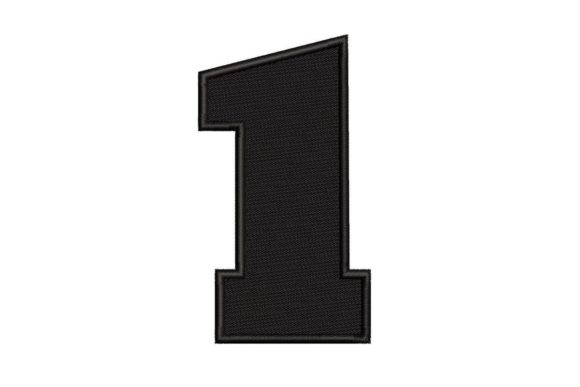
One: A Versatile Machine Embroidery Design Review
As an experienced embroidery designer preparing for a busy weekend craft fair, I constantly evaluate which digital assets will translate into physical sales. When reviewing One, described as a simple but very useful machine embroidery design to mark anything as being the first, I see immediate potential for high-volume production. This is not just a novelty file; it is a functional utility asset. For Etsy sellers and boutique makers, simplicity often equates to profitability because it reduces production time while maintaining perceived value. In the context of Back To School markets or general handmade product lines, this design offers a clean, minimalist aesthetic that appeals to modern buyers looking for organization and personalization.
First Impressions: Minimalist Utility Over Complex Art
The first impression of One is undeniably utilitarian yet charming. It does not scream festive or overly decorative; instead, it feels organized, intentional, and premium in its restraint. As a craft fair product, this minimalism is a strategic advantage. While intricate floral designs catch the eye from a distance, simple typographic or symbolic designs like One invite closer inspection and tactile engagement. It reads as modern farmhouse or Scandinavian minimal depending on the thread colors chosen. For a booth display, this means the design acts as a visual anchor. It suggests orderliness, which is exactly what customers shopping for school supplies, kitchen organization, or nursery items are psychologically seeking. The description notes it comes with multiple variations, implying versatility that allows a single embroidery file to serve various niches without requiring new digitizing.
Best Selling Applications for Craft Fair Booths
Determining where One performs best requires matching the design’s scale to the product’s function. Based on my experience with commercial embroidery and small shop product development, here is how this design translates across different inventory categories:
- Tote Bag Design: This is arguably the strongest application. Marking a tote as number one creates an instant hierarchy for shoppers or students. On natural canvas, a dark charcoal or navy stitch provides excellent contrast. The simplicity ensures the bag remains gender-neutral and age-appropriate.
- Tea Towel Embroidery: Kitchen linens sell consistently at markets. Using One to designate a primary hand towel or a specific station (like a baking towel) adds narrative value. Because tea towels are flat and stable, they allow for crisp registration of even small details in the design.
- Apron Embroidery: For vendor aprons or chef gifts, marking the lead apron or a specific station apron adds professional flair. The design should be placed on the upper chest or pocket area where it serves as identification rather than mere decoration.
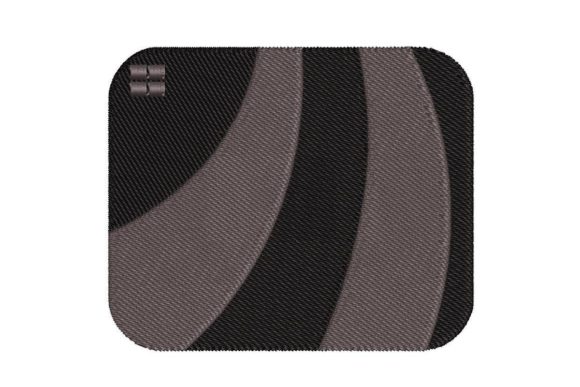
- Embroidered Patch: Given the "Back To School" category association, creating iron-on or sew-on patches numbered one through ten is a brilliant low-cost filler item. Patches maximize hoop usage and can be produced in batches rapidly.
- Fabric Pouches and Zipper Bags: Small pencil cases or travel organizers benefit immensely from numbering. Parents buying multiple bags for different children or subjects appreciate the built-in labeling system this design provides.
Production Efficiency and Batch Manufacturing
For creative entrepreneurs, time is money. One excels as a repeatable asset for batch production. Unlike complex multi-color designs that require frequent thread changes and trimming, a simple marking design typically runs faster. This efficiency is crucial when restocking between market days or fulfilling custom Etsy orders. The design likely has a lower stitch density compared to full-coverage artwork, reducing wear on machines and stabilizer costs. Furthermore, because the concept is universal, you can pre-produce blanks in neutral tones and customize them later, or offer personalized numbering services on-site if you have a portable setup. For digital sellers offering printable mockups, the clean lines of One photograph exceptionally well, ensuring your online listings accurately represent the finished product without needing extensive editing.
Critical Technical Considerations for Quality Control
Despite its apparent simplicity, One requires careful technical execution. Simple designs expose flaws more readily than busy patterns because there is nowhere for errors to hide. Before committing to a full production run for your handmade product line, consider these caution points:
- Stitch Density and Fabric Texture: If embroidering on textured towels or thick canvas tote bags, ensure the stitch density is sufficient to prevent the fabric grain from showing through. However, avoid excessive density that causes puckering. Test on scrap fabric identical to your final product.
- Small Lettering Clarity: If the design includes small text elements alongside the numeral, verify legibility at your intended size. Thin serifs or tight spacing can disappear on nubby fabrics. You may need to slightly increase the size or switch to a thicker thread weight for smaller applications.
- Curved Surfaces: When applying One to caps or curved pouches, distortion is a risk. Use appropriate cap stabilizers and ensure your hooping technique maintains even tension. A design that looks perfect flat may warp on a curved surface if not digitized specifically for 3D objects.
- Thread Contrast: Low contrast kills visibility. White thread on cream fabric may look elegant in a photo but vanish in dim craft fair lighting. Always prioritize readability for functional marking designs. Test thread colors against your specific blank inventory under natural and artificial light.
- Hoop Size Verification: Confirm the exact dimensions of every variation included in the embroidery file before purchasing or stitching. Ensure your machine’s hoop accommodates the largest version with adequate margin for stabilizer clamping.
Enhancing Perceived Value and Brand Consistency
Using One strategically elevates your brand beyond generic handmade goods. It signals that your products are part of a considered system. When customers see numbered totes or labeled organizers at your booth, they perceive professional intentionality. This consistency builds trust and encourages multi-item purchases; a customer who buys bag number one is statistically more likely to return for number two. For Etsy sellers, this design enables bundled listings and tiered pricing strategies. The visual appeal lies in its adaptability—whether rendered in bold red for school spirit or soft sage for nursery decor, One maintains brand coherence while serving diverse aesthetics. Always confirm commercial licensing terms for any digital embroidery file before selling finished products to protect your business legally.
Designer Notes for Successful Implementation
Before loading One into your machine for market prep, follow this practical checklist. First, create at least one real physical mockup on each substrate you plan to sell. Digital previews cannot replicate the interaction between thread and fabric texture. Second, review spacing and alignment if combining this design with other elements like names or logos; use basting boxes to ensure precise placement. Third, inspect the back of your test stitch-out; messy jumps or excessive trims indicate a need for editing or better stabilizer choice. Fourth, compare fabric colors in person, as monitor calibration often misrepresents thread shades. Finally, document your successful combinations of stabilizer, needle type, and thread brand for each product type. This institutional knowledge transforms a simple machine embroidery design into a reliable revenue stream for your creative enterprise. By treating One as a professional tool rather than just another cute graphic, you maximize both production efficiency and customer satisfaction at your next craft fair.